



[ad_1]
Sure! Here’s the content rewritten while keeping the HTML tags intact:

Now, she aims to be recognized as an auteur.
Photo: YouTube
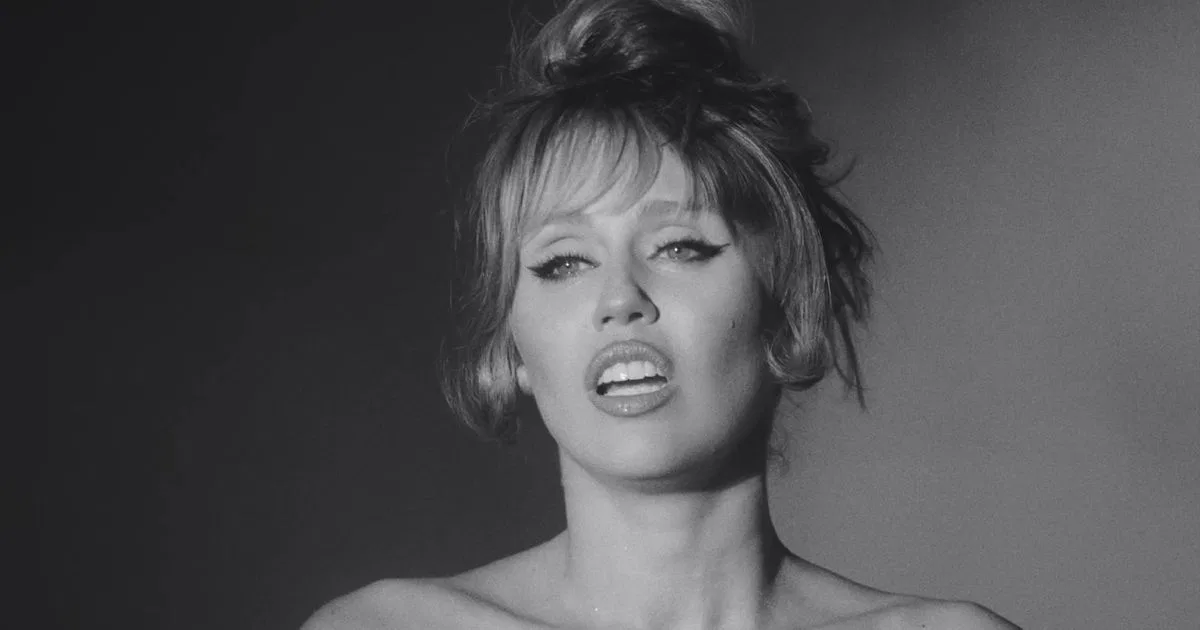
Miley Cyrus’s lineage is essential to her narrative. Her father, Billy Ray, achieved a rare crossover success in the ’90s with a line-dancing hit that has seldom been duplicated. Equally significant to Miley’s genre-crossing country-pop is having Dolly Parton as a godmother. The pride and determination of Billy Ray, combined with Parton’s savvy and unconventional approach, serve as both inspirations and benchmarks for Miley. This is clear in her tireless pursuit of a timeless tune. With “Flowers” in 2023—a retro disco-pop hit that turns the heartbreak of her divorce from Liam Hemsworth into something beautiful—Miley ascended into a realm of praise she has long sought. The track dominated international charts and ended a long Grammy dry spell with awards for Record of the Year and Best Solo Pop Performance. During a recent private performance at Chateau Marmont, Miley exuded joy as she realized she had discovered her anthem, a song she could envision sharing with audiences for years to come.
However, aside from her duet with Beyoncé, the ensuing two years after Miley’s chart success didn’t follow the typical trajectory for an A-list artist. Unforeseen legal battles and public controversies began to overshadow her achievements. Miley’s parents’ tumultuous romances have sparked rumors of a significant rift within the Cyrus family; she recently had to clarify that she is not estranged from her father. Additionally, she faces a lawsuit alleging that she borrowed too heavily from Bruno Mars’s “When I Was Your Man” in “Flowers,” a claim she has found difficult to dismiss. She has also disclosed that she cannot tour due to a vocal-cord condition.As she releases her ninth album, Something Beautiful, Miley aims to add more classics to the American songbook. She is also figuring out a way to satisfy fans eager for a follow-up to her genre-blending 2021 Attention Tour, instead treating them to her upcoming film termed a “pop opera.” As always, her strategy draws from her predecessors.
“More to Lose,” a poignant breakup ballad reminiscent of a Faith Hill–Céline Dion showdown at a ’90s VH1 Divas event, emerged when Miley played the raw, bluesy title track for Parton over the Christmas holiday. Parton questioned whether the album would feature any hit songs. Miley quickly fabricated titles and then worked diligently to produce tracks strong enough to validate her claim. “Lose” and much of the album aim for universality, relying on familiar sounds and themes. It showcases Miley’s vibrant vocal quality—something she fears she might lose if she undergoes surgery for a large polyp on her vocal cords—and features a curated collection of songs. Drawing inspiration from her history of borrowing styles, from 2007’s Meet Miley Cyrus to her modern endeavors, Cyrus weaves through each album with a mixture of recklessness and restraint. Something Beautiful posits that the diverse audience that has embraced her various styles—teen pop, country, trap-pop, and rock—can appreciate the breadth of her talents akin to the resilient singer-songwriter masterpieces of the 20th century. Now, she wants to be acknowledged as an artist in her own right.
Yet, Beautiful balances its quirky charm with traditional pop elements. Tracks like “Lose” and the soulful alt-country vibe of “Easy Lover” are followed by atmospheric drum-and-bass breaks that collide with mellow tracks. The potential for unexpected twists in the album is tantalizingly clear, especially in the title track, a passionate, introspective piece that erupts into an incredible rock finale, suggesting that to fall in love means to lose your sense of self: “Eat my heart / Break my soul / Take my parts.” Later, the six-minute firecracker “Walk of Fame” showcases Alabama Shakes’ Brittany Howard alternating between powerful vocals and a gritty rock sound while Miley provides upbeat, clear harmonies amidst production elements that draw on disco, synth-pop, and French house. Miley’s admiration for the Shakes is evident, as she invited their Sound & Color engineer, Shawn Everett, to join the production team for Something Beautiful (also featuring: Miley’s punk-rock partner, Maxx Morando; pop songwriter Michael Pollack; and indie-rock bands Foxygen and Alvvays).
While it seeks innovative collaborations and draws from beyond the typical pop realm, the album frequently aims to maintain a sense of familiarity. Carefully navigating through wildness is the goal. The songs on Something Beautiful unfold gradually, easing any anxieties about predictability. The poignant deep cut “Pretend You’re God” envisions Stevie Nicks dropping by the studio where Sarah McLachlan recorded “Possession,” with dynamic and haunting rock vocals transitioning into robust bass lines and tight drum patterns from early ’90s rock and pop that dabbled in hip-hop and electronic influences. As the album progresses, percussion energizes the sound amidst exuberant cries and a guitar cameo from Adam Granduciel of the War on Drugs. Miley appreciates nuanced contrasts in her California-sober thirties, as she no longer feels confined by her Disney past. Growing up in the spotlight, she views herself as a familiar presence for fans who have matured alongside her, offering insights drawn from personal experiences.
However, the trust that listeners will accompany Cyrus through her nods to Daft Punk, Fleetwood Mac, ABBA, ballroom culture, and beyond comes at the expense of lyrics often laden with clichés. “We’re toe-to-toe, but I’m hanging on the wire,” she sings in “More to Lose,” later declaring that tears are “streaming like our favorite show tonight” and that memories fade like—you guessed it—denim jeans. Such imagery feels overused across the country and pop narratives where Cyrus is quite knowledgeable. More compelling are thematic threads exploring mortality, renewal, and artifice. The Gaga-inspired track “Every Girl You’ve Ever Loved,” featuring a poem read by Naomi Campbell, addresses themes of perfection as a performance; love songs depict cohabitation as an act of relinquishing power rather than a simple once-upon-a-time resolution. Yet songs like “Golden Burning Sun” achieve poignancy through straightforward lyrics: “Can I have you / If I never let you down? / Surrender.”
Connecting with her audience through relatable lyrics while expressing excitement in interviews about the aspirations of Pink Floyd rock operas, Panos Cosmatos films, and Beyoncé documentaries creates an intriguing dissonance. What if Miley allowed herself to embrace the rawness Something Beautiful occasionally hints at? Instead, she follows the success of “Flowers” with a deeper exploration of its essence, searching for melodies and lyrics broad and immediate enough to leave you in awe (or questioning how you haven’t heard this before).
Feel free to let me know if you need any more modifications!
[ad_2]
Source link