



[ad_1]
Trendjacking has become second nature for brands, especially during significant cultural moments. In Singapore, concerts often resemble the Super Bowl of brand visibility, with marketers eager to maintain a presence in the feeds and minds of fans.
The city-state’s status as the only Asian stop for many international tours has further intensified this trend. During Taylor Swift’s Eras Tour in Singapore last year, fans traveled from all over the region, and brands quickly followed suit. The Malaysia-based pimple patch brand dododots distributed thousands of heart and star-shaped pimple patches over six nights, while local brands flooded social media with posts imitating Swift’s album covers and concert themes, with many incorporating her songs.
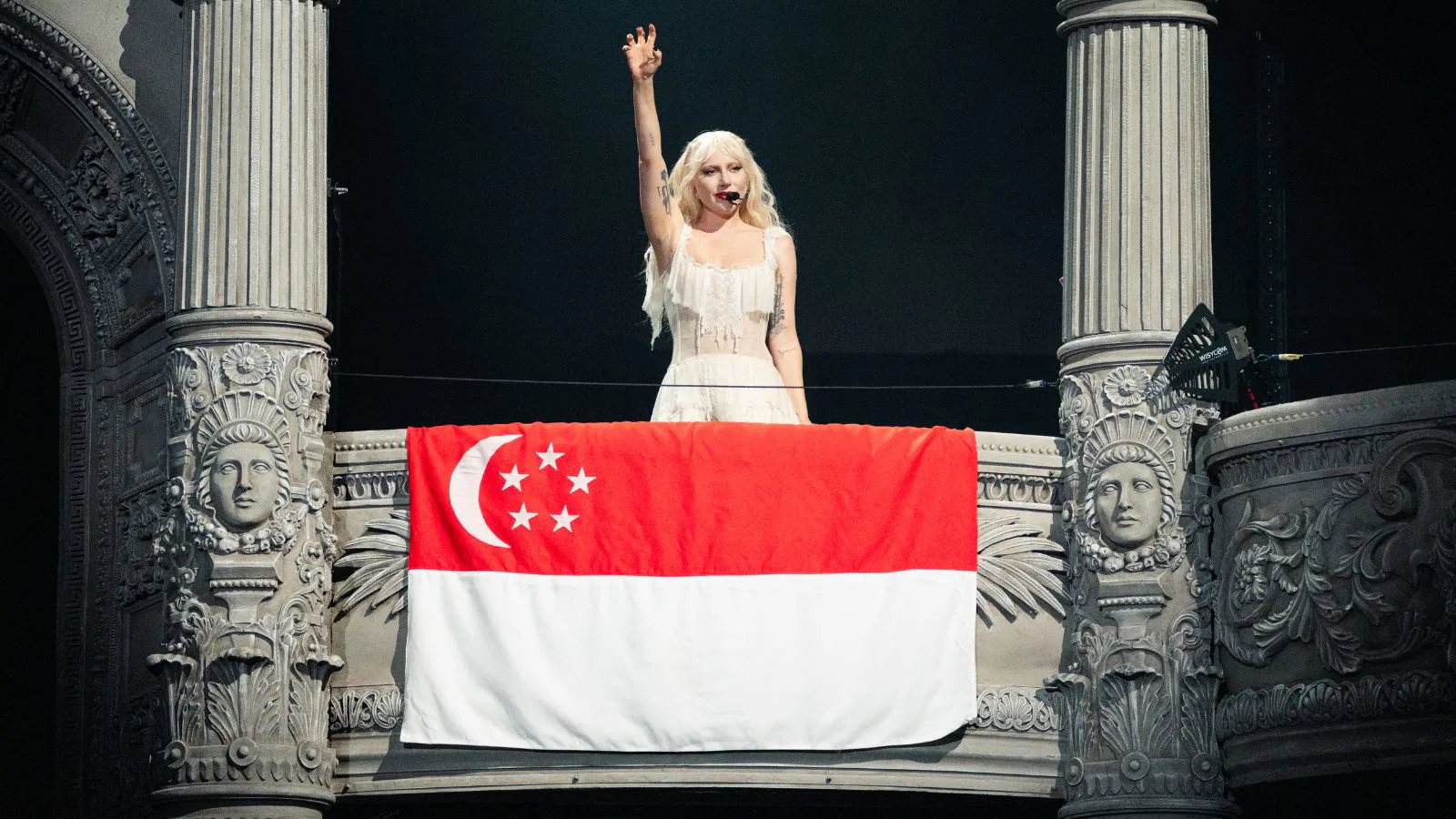
That same year, British band Coldplay performed four sold-out nights in Singapore, contrasted by just one in the Philippines and Bangkok. Brands also got in on the action. However, when posts about Lady Gaga’s recent four-night concert in Singapore (18 to 24 May) were reportedly flagged and removed on Instagram, marketers were taken by surprise.
Don’t miss: How to effectively leverage ‘fandom’-ination for marketing
Investigations by MARKETING-INTERACTIVE revealed that some brands used her silhouette or name, while others utilized Instagram’s native music features to enhance their content. Posts that remained online, however, refrained from directly referencing the artist or featuring her likeness.
The pressing question emerged – why Lady Gaga, and why at this moment?
According to legal and industry experts, the core issue is ownership.
“Social media users shouldn’t assume they have the right to use an artist’s music or performance without permission. Doing so could infringe on that artist’s rights, leading to potential content removal,” stated Gilbert Leong, senior partner and head of Dentons Rodyk’s property and technology practice group. He added that:
Whether content is taken down depends largely on how proactive the artist is in asserting their rights.
While many artists or rights holders might adopt a more lenient approach, Leong cautioned that the dangers of trendjacking are genuine, particularly when monetary gain is involved. “Trendjacking is essentially a polite term for free riding, and brands should not capitalize on something they did not create, own, or compensate for. If they engage in trendjacking, they risk having their content removed due to copyright infringement or other rights violations,” explained Leong.
He suggested that mitigating such risks is quite straightforward: “Don’t take or use what isn’t yours.”
Even with tools like TikTok and Instagram’s music libraries available, the realm of commercial use remains a legal gray area. Many marketers may assume that if a song is included in a platform’s library, it’s cleared for usage, especially in short-form content. However, this is not always true.
Going beyond surface-level references
In reality, brands aiming to engage with cultural moments must transcend surface-level references and adopt a more strategic approach, according to Shufen Goh, co-founder of the independent global marketing consultancy R3. “The most effective brand reactions to cultural moments are not just about jumping on trends randomly; they require intentionality,” she noted.
Furthermore, referencing pop culture is effective only when it adds genuine creative value and aligns with the brand’s voice. “The strongest content surpasses superficial resemblance; it resonates with shared emotions and cultural energy in a way that feels authentic to the brand,” Goh explained.
“Even with music libraries, commercial use isn’t always clear-cut. It’s increasingly vital for brands to grasp the regulatory landscape they operate within, to protect against errors and ensure their content is impactful while remaining compliant,” she continued.
Ultimately, Goh believes that creativity is central to effective marketing, serving as the most reliable route to standing out relevantly:
Brands that lead with originality and insights gain the freedom to engage boldly without relying on borrowed fame.
Meanwhile, MARKETING-INTERACTIVE reached out to Meta to seek clarity on how content takedown policies are enforced, particularly concerning music and celebrity likeness. A spokesperson noted that the company could not confirm the situation.
However, according to a statement from Meta’s transparency center, the social media giant asserted: “Meta takes intellectual property rights seriously and is dedicated to protecting these rights while fostering expression, creativity, and innovation within a community-focused environment. Thus, we enforce a policy against posting content that infringes someone else’s intellectual property rights, including copyright, trademark, or other legal rights.”
As trendjacking becomes more prevalent and copyright enforcement more stringent, experts concur that brands must carefully assess the legal, reputational, and creative risks before diving in. For marketers, the clear takeaway is this: capitalizing on cultural moments may increase reach, but without the necessary rights, it’s a peril few can afford.
Photo courtesy of Qi Hao (@qhventures), Instagram.
Related articles:
Nostalgia is not enough: How brands can get the rising trend right
Trendjacking or trouble? Brands navigate the fine line amid the ‘AI doll’ craze
Is the latest ‘Ghibli’ trend a leap for OpenAI’s facial recognition capability?
[ad_2]
Source link